
What Exactly a Metro System Is and How It Moves You
Your Guide to Riding the Metro System Like a Local
Did you know the world’s first metro line was just 3.7 miles long? A metro system is an urban electric railway that runs mostly underground, carrying thousands of people through tunnels beneath busy streets. By following a fixed route with frequent stops, it lets you zip across a city quickly without worrying about traffic jams. All you do is buy a ticket, find your platform, and hop on the next train heading your way.
What Exactly a Metro System Is and How It Moves You
A metro system is a high-capacity urban railway that operates on its own exclusive, grade-separated tracks, usually underground, elevated, or in tunnels. It moves you by running multiple-car trains at very short intervals, powered by a third rail or overhead wires, allowing for rapid acceleration and deceleration between closely spaced stations. How does a metro move you so efficiently? It eliminates traffic delays by having a completely separated right-of-way, and uses automatic train control to keep headways as tight as 90 seconds, enabling you to cross a congested city in minutes rather than hours.
Core Components: Tracks, Trains, and Stations
At its heart, a metro system relies on three physical pillars. Dedicated steel tracks form a grade-separated guideway, free from street traffic, enabling high-speed travel. Multiple-car **trains**, powered by a third rail or overhead wires, accelerate and decelerate rapidly between closely spaced **stations**. Each station acts as a controlled gateway, with platform screen doors aligning precisely with train doors for safe, efficient passenger flow. The seamless choreography between track alignment, train dwell time, and station layout defines the entire travel rhythm.
Tracks provide an exclusive path, trains deliver the movement, and stations serve as the boarding nodes—together forming the physical loop of any metro system.
How Power and Signaling Keep Trains Running on Time
Trains maintain precise timetables through the interplay of power supply and signaling. A continuous third rail or overhead wire delivers direct current, often 750V, which powers motors for immediate acceleration and regenerative braking. Simultaneously, a block signaling system divides tracks into segments; each train’s occupancy communicates its position, preventing the next from entering until the block is clear. This automatic train control calculates safe following distances and speeds in real time, adjusting acceleration delays or dwell times. By synchronizing electrical delivery with signal data, the system eliminates cascading delays, ensuring each departure aligns with the schedule.
Key Benefits of Riding an Urban Rail Network
Riding a metro system offers unmatched speed by bypassing street-level traffic, making your commute consistently predictable. You can relax or get work done without the stress of driving.
It glides under congestion, turning chaotic rush hours into quiet, productive travel time.
Stations are frequent in city centers, putting you steps from destinations without weather hassles. Unlike buses, rail networks run on dedicated tracks, so delays from gridlock vanish. This efficiency reclaims hours weekly while lowering travel costs—no parking fees or fuel expenses. The smooth, quiet ride reduces physical fatigue, making daily trips more comfortable. Ultimately, the metro transforms city movement into a seamless, reliable experience.
Speed and Reliability Compared to Surface Traffic
The metro’s greatest edge is its sheer speed, bypassing gridlocked surface traffic entirely. While buses and cars inch through congestion, trains glide at a consistent pace in their own tunnels. Even the most reckless driver can’t match a metro’s scheduled arrival during peak hours. This reliability means you can plan your day without buffer time; a 45-minute road crawl becomes a 15-minute ride. Unmatched journey consistency eliminates the stress of traffic jams, making the metro a predictable, time-saving backbone for daily commutes.
Cost Savings Versus Driving or Ridesharing
Choosing the metro over driving or ridesharing delivers substantial cost savings. You eliminate expenses for fuel, parking fees, tolls, and vehicle depreciation. Ridesharing fares, which include surge pricing, are far higher per trip than a fixed metro ticket. Urban rail commuters reduce annual transportation costs significantly, often by thousands of dollars, by swapping per-mile car and app costs for a low, predictable transit pass. How do metro fares compare to daily parking costs? A monthly metro pass typically costs less than a few days of downtown parking, making it the clear financial choice for regular commutes.
Environmental Advantages of Mass Transit
Riding the metro is a direct, powerful act for the planet. By shifting commuters from cars to electrified rails, it delivers immediate carbon footprint reduction per passenger mile. This mass shift slashes urban air pollution, curbing smog and respiratory hazards. A single train removes hundreds of vehicles from congested streets, dramatically lowering noise pollution in https://montrealrb.com/ dense corridors. It also conserves energy and reduces reliance on fossil fuels, as metros are far more efficient per person than private autos. You aren’t just traveling; you are actively shrinking your ecological impact with every trip.
- Directly cuts greenhouse gas emissions compared to driving.
- Drastically lowers harmful particulate matter and nitrogen oxides in city air.
- Reduces acoustic pollution, creating quieter neighborhoods.
- Consumes significantly less energy per passenger than cars or buses.
How to Navigate a Subway Like a Pro
To navigate a metro system like a pro, start by studying the color-coded map beyond the obvious route. Identify express vs. local tracks to shave minutes off your trip. Instead of rushing to the nearest entrance, check the tunnel map for the optimal car position—usually near station exits.
Stand on the platform where doors will align with a stairwell, bypassing crowds entirely.
Use the train’s digital route display to mentally rehearse your exit sequence, and always stand to the right on escalators to let aggressive commuters flow left. This mindset turns chaotic transit into a seamless, efficient rhythm.
Reading Route Maps and Interchange Stations
Start by checking the route map for your line’s color and direction—trains usually run both ways, so match your station to the terminal listed. At interchange stations, look for connecting line signs overhead or on pillars; they’ll list transfer directions and any platform changes. Pay attention to whether you need to exit the paid zone or stay inside for the switch, as this varies by station.
- Trace your full journey on the map before you tap in, noting where you’ll transfer.
- At interchange stations, follow colored arrows or line symbols to the correct platform.
- Check if the transfer is a cross-platform (same level) or requires stairs/escalator.
Tips for Buying Tickets or Using Contactless Payment
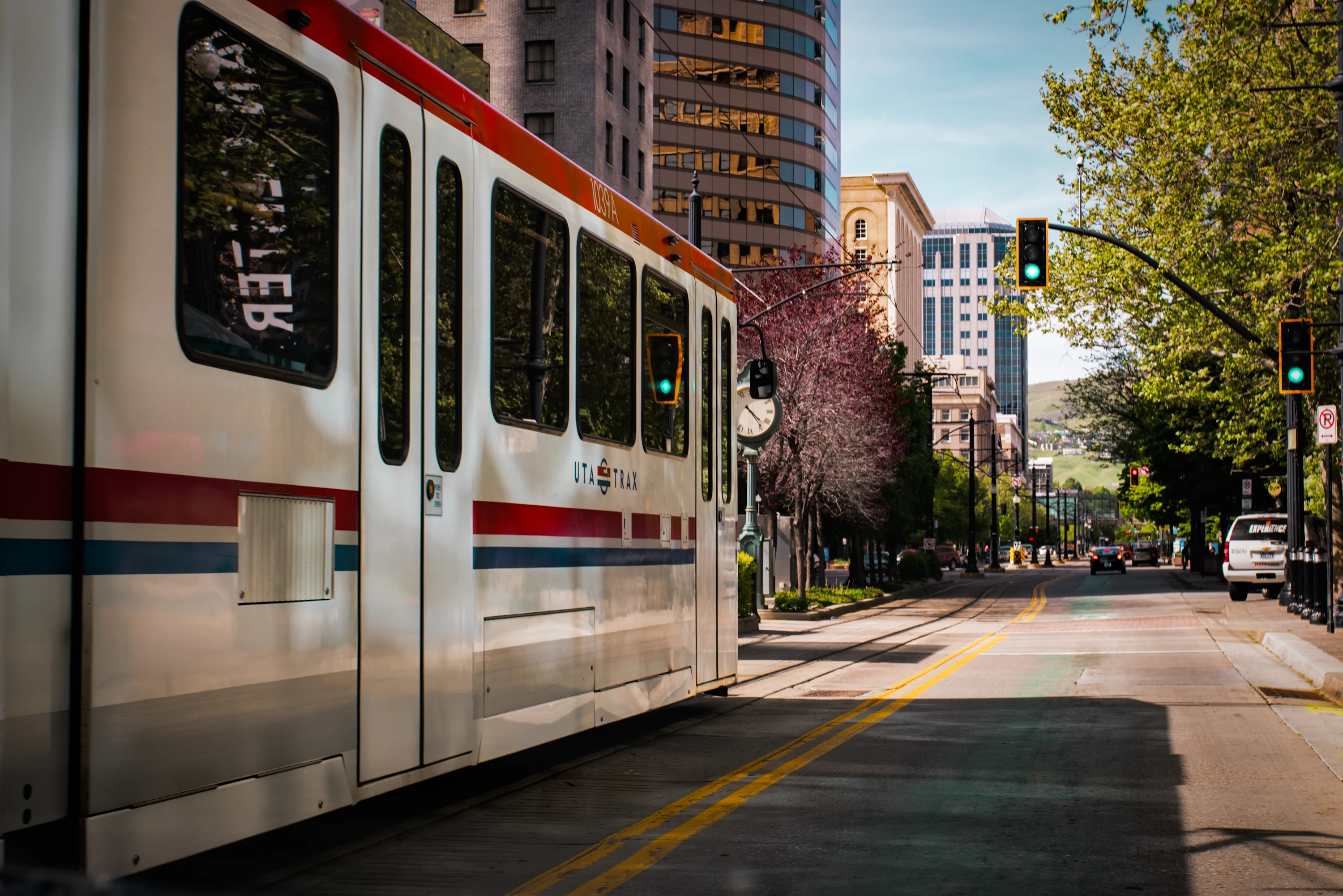
Mastering the metro starts with efficient ticket purchases. Always check if your bank card or phone supports tap-to-pay at the turnstile—this is often faster than queueing for a machine. For single rides, buy from a kiosk using a card, as cash can slow you down. Avoid paper tickets when possible; reloadable smart cards like an Octopus or Oyster save time on repeat trips. Q: What’s the fastest payment method? Contactless credit or debit cards—just tap and go without ever touching a screen.
Peak Hours and How to Avoid Crowds
Avoiding the crush of a metro system starts with identifying peak crowd times. Typically, morning and evening commutes between 7:30–9:30 AM and 4:30–6:30 PM flood platforms. To bypass this, board trains ten minutes before or after these windows. If your schedule is rigid, board the first or last car of a train, which often has milder foot traffic than the middle. Riding one stop in the opposite direction to catch an express train can transform a sardine-like trip into a near-empty ride. Always check real-time app data to spot outlier delays, as a single stalled train can concentrate crowds at your station.
Features That Make a Rapid Transit System User-Friendly
A user-friendly metro system prioritizes intuitive wayfinding, with consistent signage and real-time digital displays showing next train arrivals. Seamless fare integration across all modes, via contactless payment or a single card, eliminates friction. Platform screen doors enhance safety while reducing noise and controlling climate. Clear, multi-lingual audio announcements and ergonomic seating with dedicated priority spaces cater to diverse needs. High-frequency, reliable service ensures minimal wait times, while step-free access from street to train via wide gates and elevators accommodates all mobility levels. Good cellular connectivity within tunnels and stations is now a baseline expectation, not a luxury.
Real-Time Arrival Displays and Mobile Apps
Real-time arrival displays at stations and integrated mobile apps reduce uncertainty by showing the precise minutes until the next train. These displays sync with train control systems to indicate platform-level dwell times and service disruptions. Mobile apps extend this functionality with push alerts for delays and route optimization. For effective use, a clear sequence applies:
- The system generates a data feed from automatic vehicle location sensors.
- Displays and apps parse the feed into seconds-to-arrival counts.
- A predictive algorithm adjusts times for speed or stoppage anomalies.
This closed-loop feedback ensures passengers recalibrate their movement, not merely check a static schedule.
Accessibility Options for Strollers, Wheelchairs, and Bikes
A well-designed metro makes life easier for everyone, especially when it includes dedicated spaces. Look for level boarding between the platform and train, which eliminates the gap for wheelchairs and strollers. Wide, automatic gates at entrances accommodate both mobility devices and bikes without struggle. Inside, clear markings show where to park strollers or secure a bicycle, while fold-down seats and handrails offer stability for wheelchair users. A thoughtful layout means you can roll on and off without rushing or asking for help.

- Level boarding bridges the gap between platform and train cars
- Wide, sensor-activated gates open fully for wheelchairs and strollers
- Designated bike parking areas with straps or racks inside the carriage
- Fold-down seats in accessible cars create open space for wheelchairs
Safety Features: CCTV, Emergency Alarms, and Platform Doors
Comprehensive safety features define a user-friendly metro system. CCTV networks monitor every platform and corridor, deterring crime and aiding rapid incident response. Emergency alarms are placed along walls and inside cars, allowing passengers to alert staff instantly during threats or medical events. Platform doors create a sealed barrier between the track and waiting area, preventing accidental falls and unauthorized access. These synchronized systems ensure that passengers are protected without needing to be aware of every layer of security. Together, CCTV, alarms, and doors form an intuitive safety net that builds trust and smooths daily commutes.
Choosing Between Different Metro Options in Your City
When choosing between different metro options in your city, prioritize lines that directly connect to your most frequent destinations, as a single-seat ride slashes commute time. Evaluate express versus local services;
Express trains skip lesser stations, cutting travel for long distances by up to 30%
and are ideal for daily cross-city trips, while locals are better for short hops. Compare station density along routes—fewer stops boost speed but reduce coverage near your start or end point. Check frequency intervals; lines with trains every 2-3 minutes during peak hours virtually eliminate wait anxiety. Finally, assess physical integration: opting for a line with seamless transfers to buses or other metros creates a reliable, single-fare journey that outranks fragmented paths.
Comparing Coverage Area and Frequency of Service
When evaluating metro options, coverage area and frequency of service directly dictate your daily convenience. A sprawling network with trains every ten minutes might seem ideal, but consider if its routes actually connect your home to your workplace or frequent destinations without a transfer. Conversely, a compact, high-frequency line with trains arriving every two minutes during rush hour offers unmatched speed for a specific corridor. Therefore, simulate your most common trips: a line that passes your office but stops a kilometer from your apartment defeats its purpose, while a smaller system with relentless frequency quickly becomes your urban lifeline for core commutes.
Frequency Versus Depth: Light Rail vs. Heavy Metro
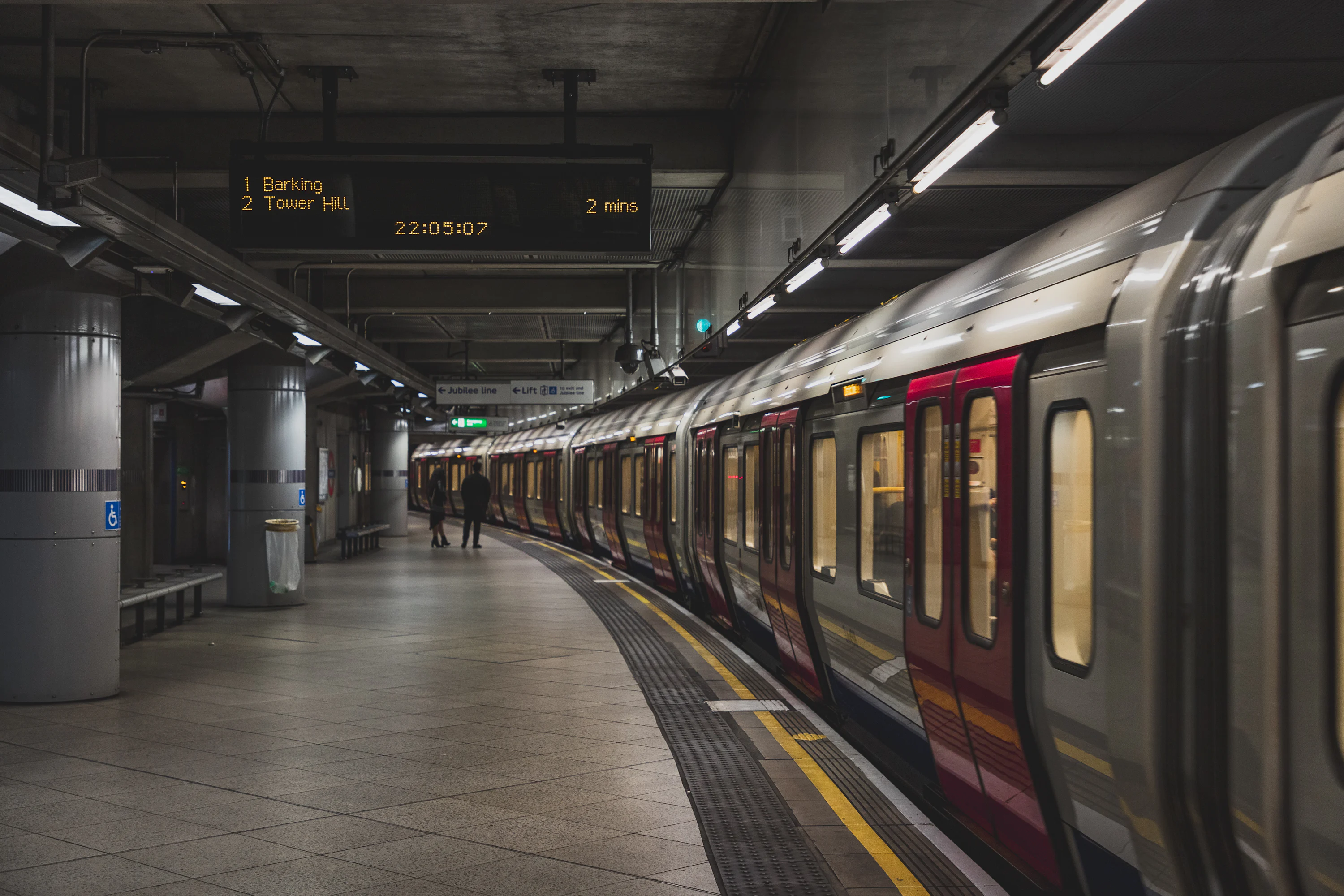
When weighing frequency versus depth for metro planning, light rail typically offers higher headways—every 5–10 minutes—due to simpler signaling and shorter trains, but its at-grade segments reduce depth and necessitate street-level crossings that slow operations. Heavy metro, by contrast, achieves headways as low as 90 seconds through grade-separated, deep-bore tunnels, but the cost and construction time of that depth are significantly greater. The trade-off is clear: light rail provides easier access and faster implementation at lower frequency, while heavy metro maximizes frequency and capacity through deep, exclusive right-of-way but demands extensive excavation.
Light rail prioritizes shallow access and moderate frequency; heavy metro prioritizes deep, high-frequency service at greater capital cost.